If you want treatment after the dog is recovered, inspect the veterinary injury/illness provisions and event timing.

Theft-benefit decision tree
Can You Insure a Dog for Theft?
Use a theft-benefit decision tree before assuming a dog health policy pays for a missing dog.
Policy-first
Independent
Useful checks
Key checks
What matters on this page
Use these checkpoints to frame the literal question before reading the full guide.
First
Which loss?
Recovery cost or dog value
Proof
Separate event file
Not only vet history
Offer
Incomplete
No verified theft quote
Direct answer
Some pet-insurance add-ons describe help with finding a missing dog, but that is not the same as reimbursing the dog’s value after theft. The inspected documents do not establish a complete state-specific theft-loss offer. Identify the benefit you want, demand its actual wording and schedule, and stop if only ordinary veterinary cover or an advertising summary is supplied.
The sections below show how to verify the answer and what can change it.
Start with what you expect the insurer to pay
Process
The theft-benefit decision tree
If you want search advertising or a reward, ask for the optional recovery-expense rider and its selection on the schedule.
If you want the dog’s purchase or agreed value after theft, require a clause that expressly insures that loss; stop if the document only names advertising.
If the dog is already missing, use the existing policy and report facts accurately; do not assume a new purchase can cover the past event.
If no suitable wording is supplied, record the answer as unverified rather than treating health eligibility as theft eligibility.
The Trupanion US specimen TRU (D) 00001 (V10.201902), freshly read October 7, 2026, lists advertising and reward within an optional paid Pet Owner Assistance package in §2.B.II. Its §1.B.II separately addresses adding riders. That is evidence of a distinct add-on, not proof of replacement-value theft cover. This general specimen does not resolve a reader’s state-specific rider, schedule or eligibility.
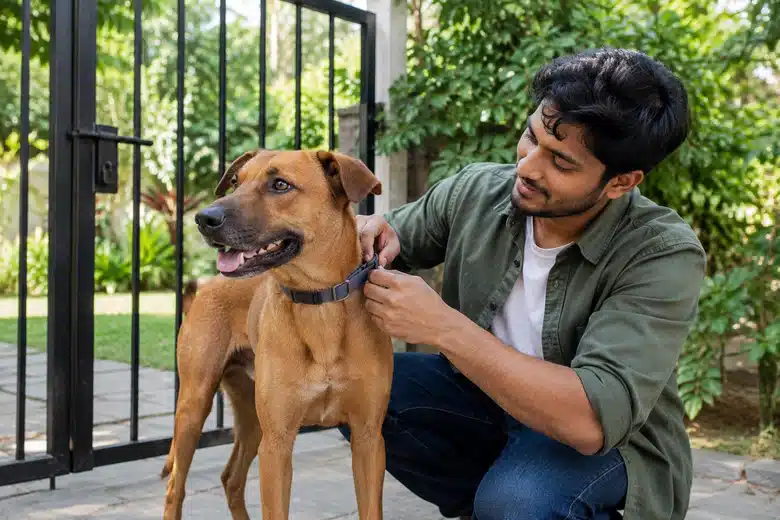
The branch that needs more evidence
The live assistance description discusses a missing-pet advertising/reward benefit and restrictions on who may receive a reward. It is a marketing summary, and its displayed region was Washington during the read. The complete state-specific rider was not obtained. Consequently, this page cannot confirm the definitions of theft, straying, ownership disputes or all reporting deadlines and exclusions. A summary should help identify the document to request, not replace it.
Evidence matrix
Prepare the right evidence for each step
| Step | Input | Official document | Verification before proceeding |
|---|---|---|---|
| Define protection | Recovery expenses versus financial loss of dog | Coverage grant and definitions | The wanted loss is explicitly included |
| Establish ownership | Purchase/adoption papers and identification | Rider proof requirements | Accepted evidence is known |
| Describe risk | Residence, dog details and ordinary activities | Application and state rider | Answers reflect actual circumstances |
| Compare offers | Identical dog, location, benefit and limit | Dated quote plus schedule | Same benefit is being priced |
| Confirm activation | Purchased options and effective time | Issued policy and rider | The add-on is active before relying on it |
Define protection
Input
Recovery expenses versus financial loss of dog
Official document
Coverage grant and definitions
Verification before proceeding
The wanted loss is explicitly included
Establish ownership
Input
Purchase/adoption papers and identification
Official document
Rider proof requirements
Verification before proceeding
Accepted evidence is known
Describe risk
Input
Residence, dog details and ordinary activities
Official document
Application and state rider
Verification before proceeding
Answers reflect actual circumstances
Compare offers
Input
Identical dog, location, benefit and limit
Official document
Dated quote plus schedule
Verification before proceeding
Same benefit is being priced
Confirm activation
Input
Purchased options and effective time
Official document
Issued policy and rider
Verification before proceeding
The add-on is active before relying on it
For a prospective purchase, assemble identification evidence without assuming that any one item settles legal ownership. A dated photograph, microchip record and adoption or purchase agreement can help organize the packet. Ask which evidence the issuer accepts and whether the named policyholder must match a particular owner record. Keep originals secure; supply only what the legitimate claim or application actually requests.
Compare with the details in front of you
Find Coverage for Your Pet
Ready to check current rates?
Keep policy terms, deductible, reimbursement and limits beside the quote so the comparison stays consistent.
If a quote is not issued
Save the rejection or missing-information message and ask the issuer whether it concerns the dog, location, activity or requested theft benefit. Do not choose a different breed, age or use category to unlock an offer. If the insurer confirms only medical cover, do not relabel that result as a theft quotation. Keep it out of a theft-price comparison even if its premium is easy to obtain.
No verified theft-loss purchase recommendation
No matched official theft quotes, complete applicable state rider or issued benefit schedule were obtained. There is therefore no verified theft payout, premium or recommended provider on this page. The decision tree shows exactly where the missing evidence stops the purchase decision.
Checklist
Questions that need written answers
Does this benefit cover theft, straying, recovery expenses or the value of the dog?
What ownership and event evidence is required?
Must advertising or a reward be approved before spending?
Which reports and deadlines apply?
Are particular custodians, activities or circumstances excluded?
What happens if the dog is recovered after payment?
FAQ
Common questions
Is a microchip an insurance policy?
No. Identification and the insurance contract perform different jobs.
Can I infer theft cover because the insurer accepts my dog for health insurance?
No. The requested loss needs its own coverage grant and applicable terms.
Pet Insurance Lens
See Insurance Rates
Ready to compare with clearer inputs?
Keep the policy terms beside the price, then continue to rates when the comparison is clear.